Know where every claim stands.
Rates, fees, disclosures, credentials. Each one checked against your source of truth, before it's published and after.
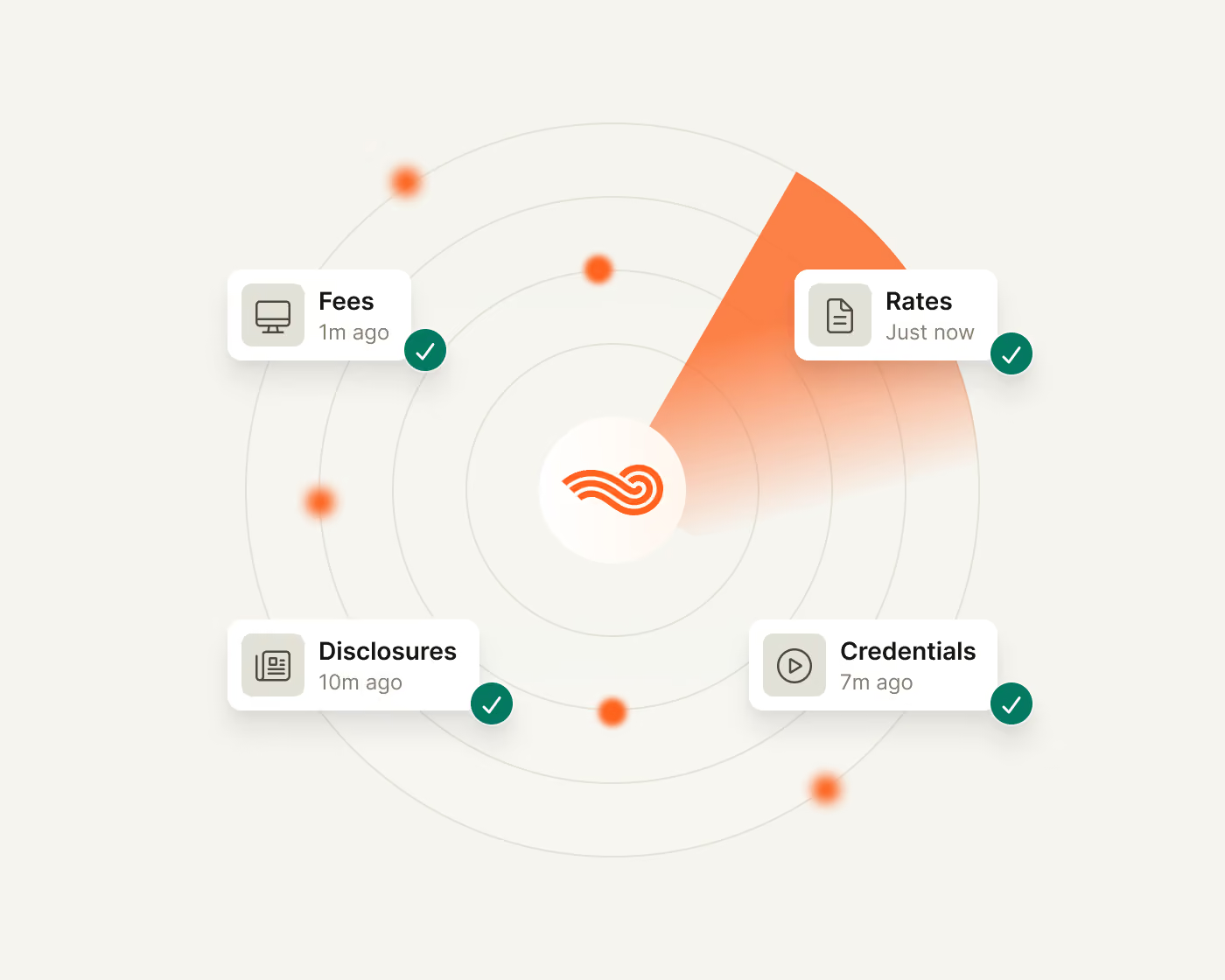









In this industry, the details are the difference
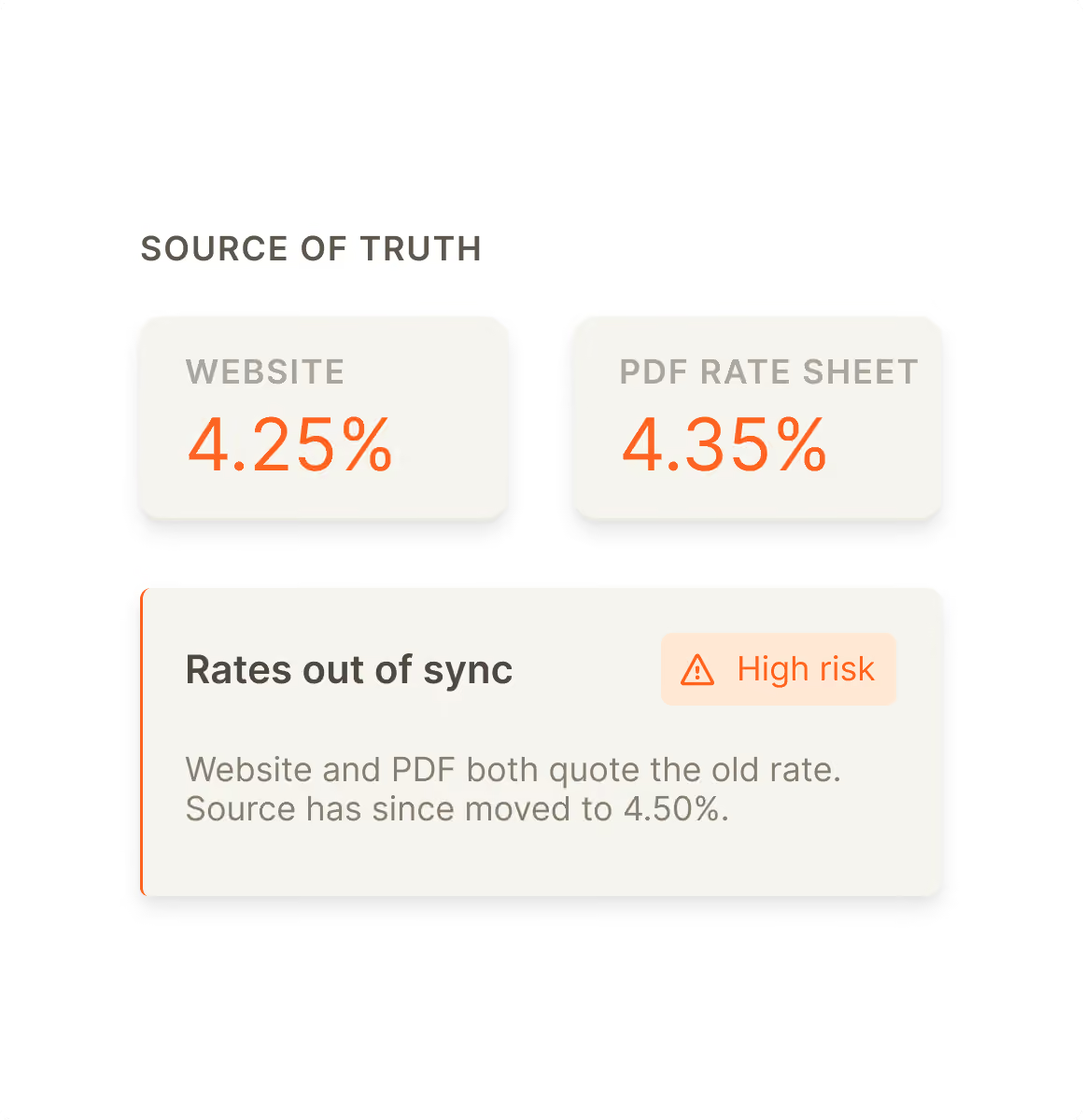
Your numbers have to
match the source.
Rates, fees, and terms change. Every asset that quotes them has to stay accurate.
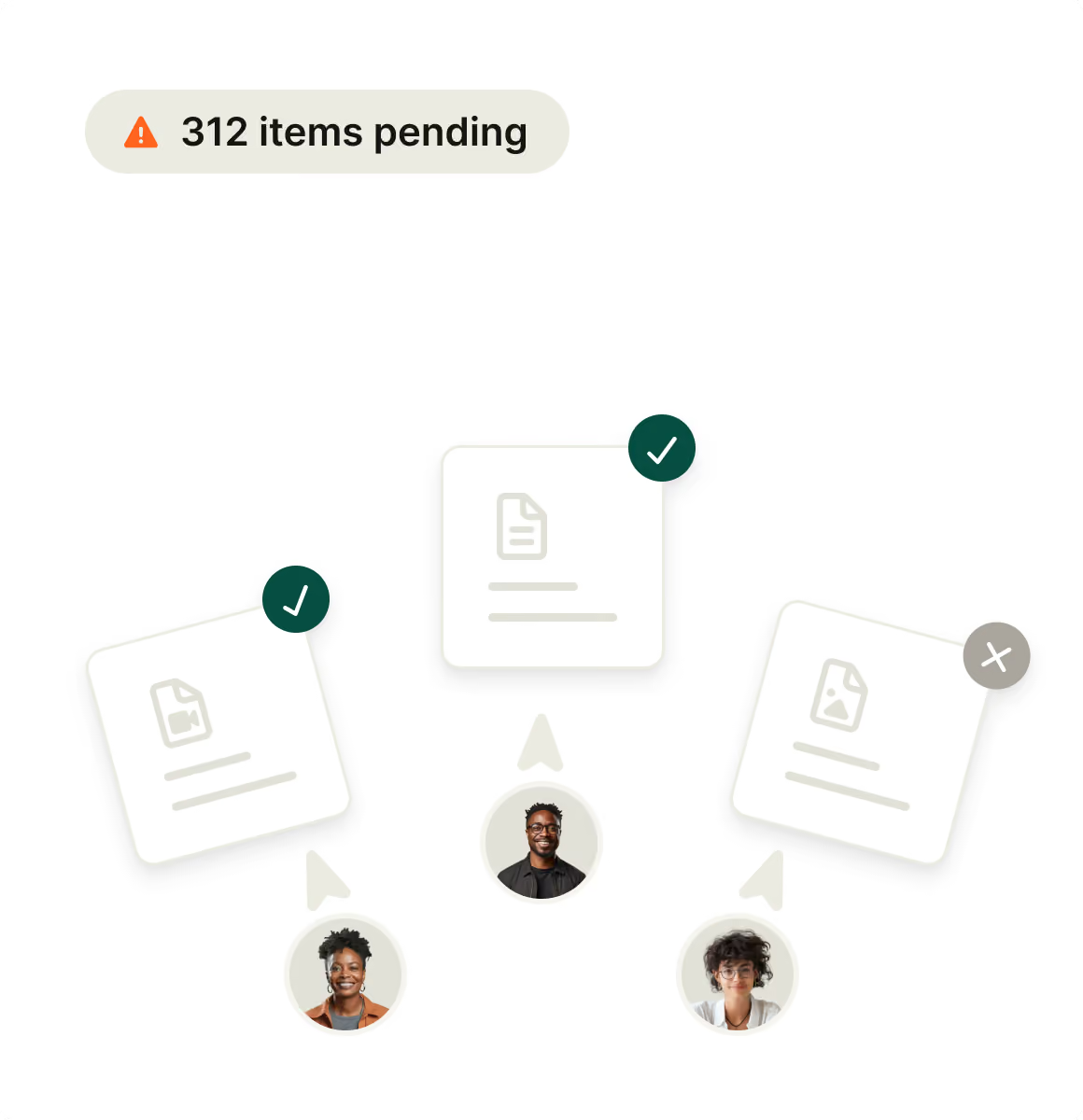
Review can’t scale
by hiring.
Every designation checked by hand, every disclosure matched by eye. Adding reviewers doesn’t close the gap.
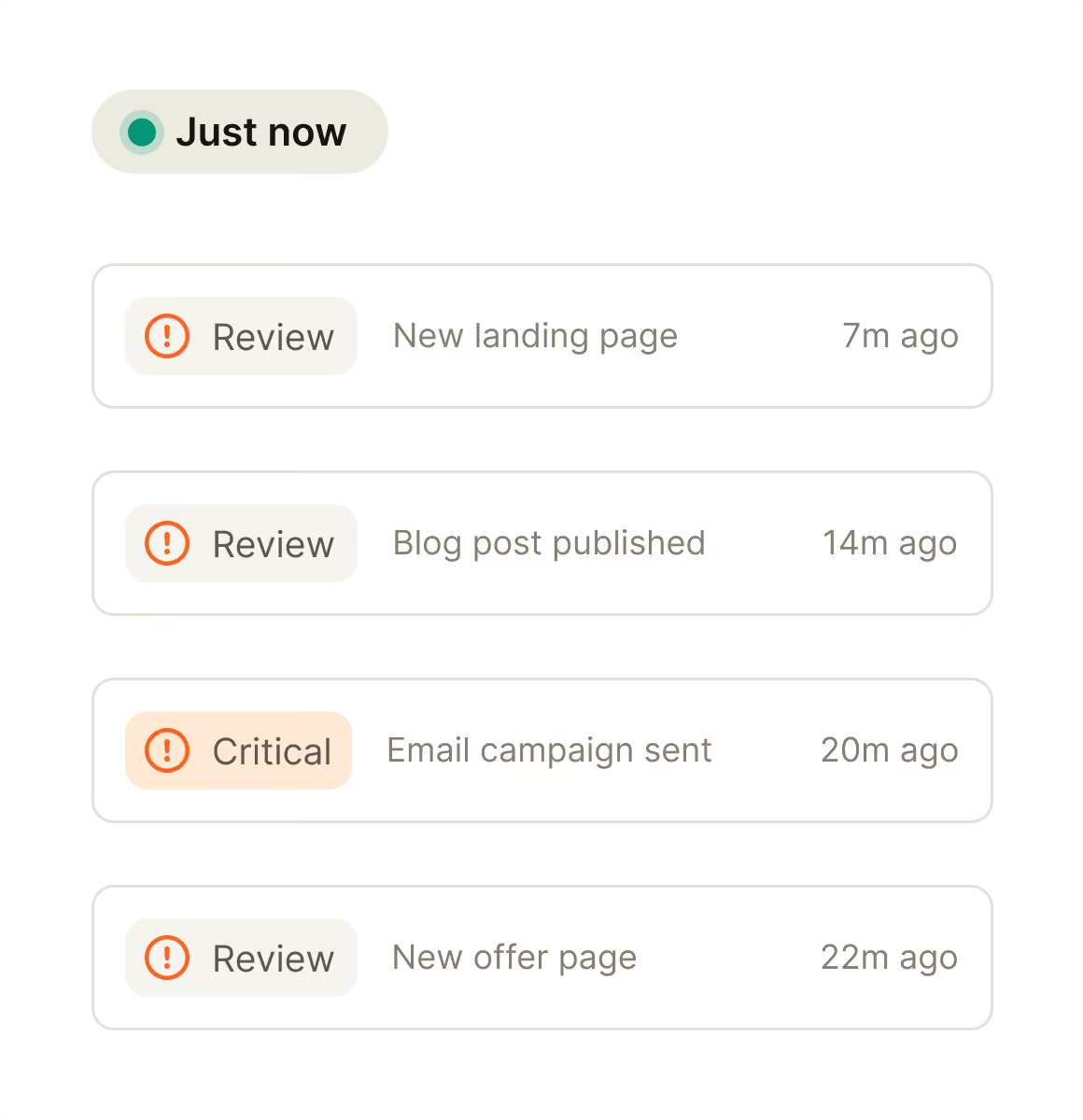
Your partners publish
in your name.
Affiliates, fintechs, agencies, advisors. Their pages carry your risk, and no one can watch them all.
Meaningful oversight, every claim and channel.
Before content is published and after it’s live, Blee checks every claim against your rules, so your team knows where each one stands.
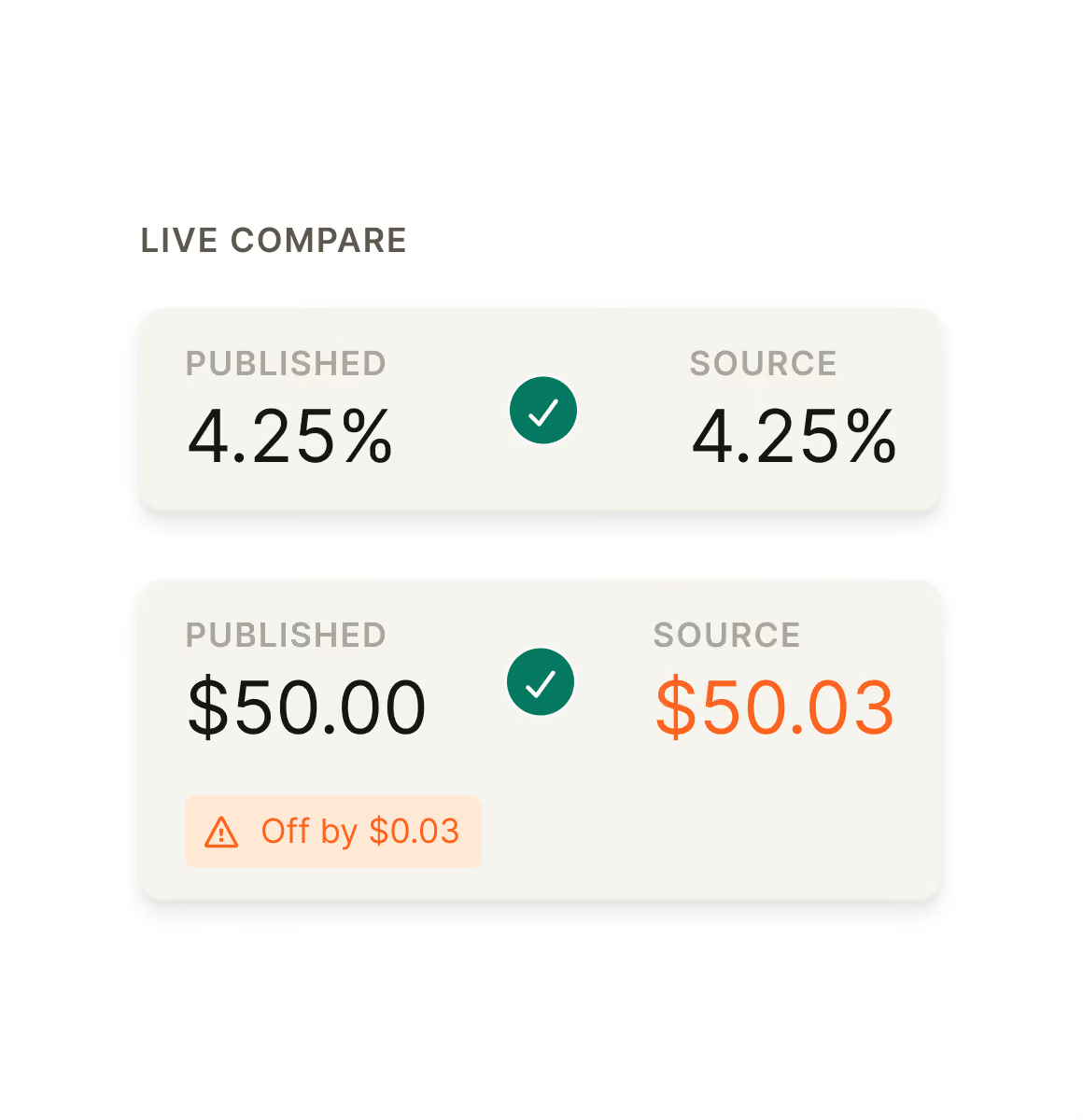
Live content, checked
against the source.
On your pages and your partners', what's live is checked against your source of truth with mismatches flagged, down to a single number.
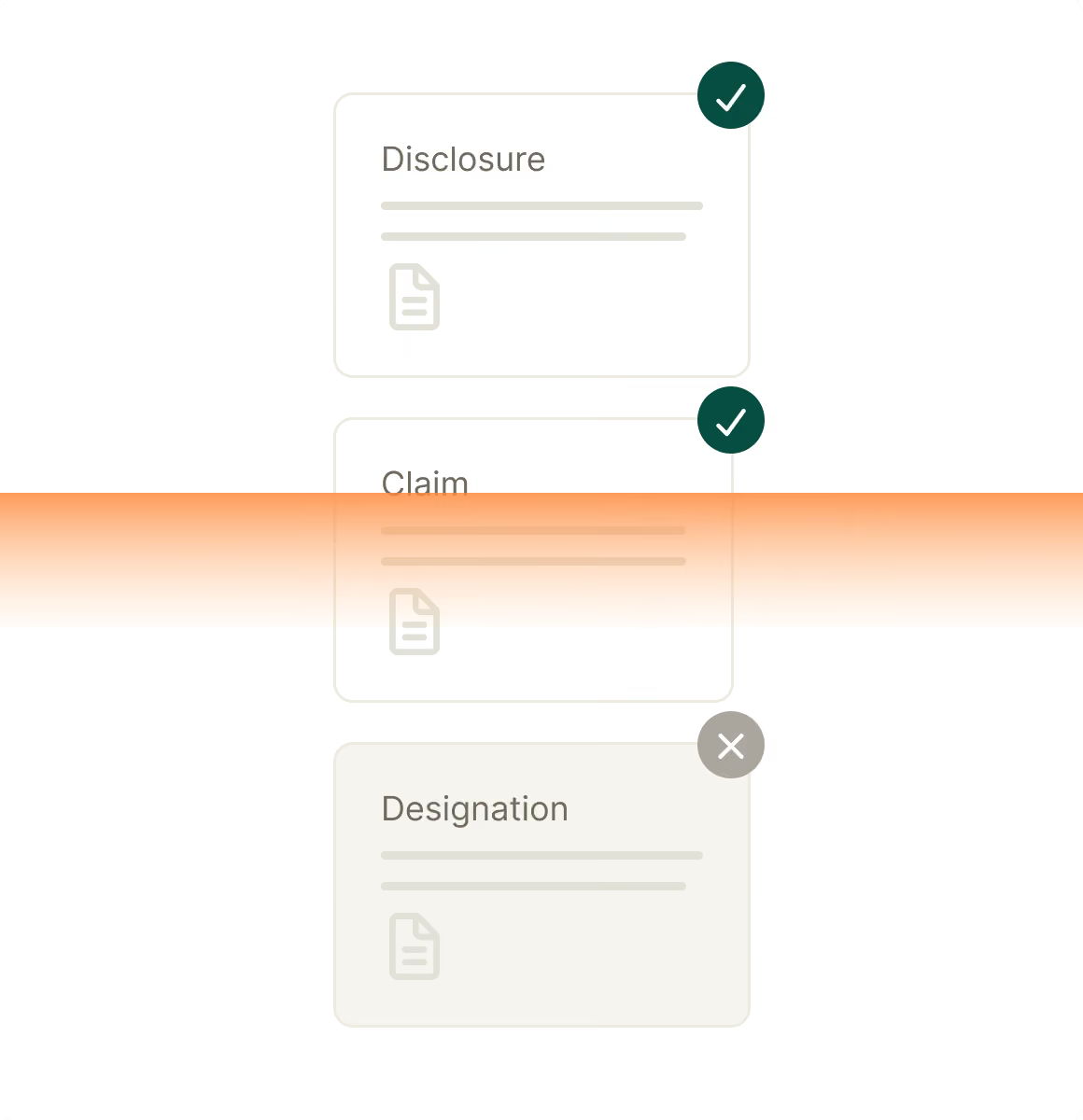
The end of
manual lookups.
Designations, disclosures, claims—checked before you open the asset, learning from every call your team makes.
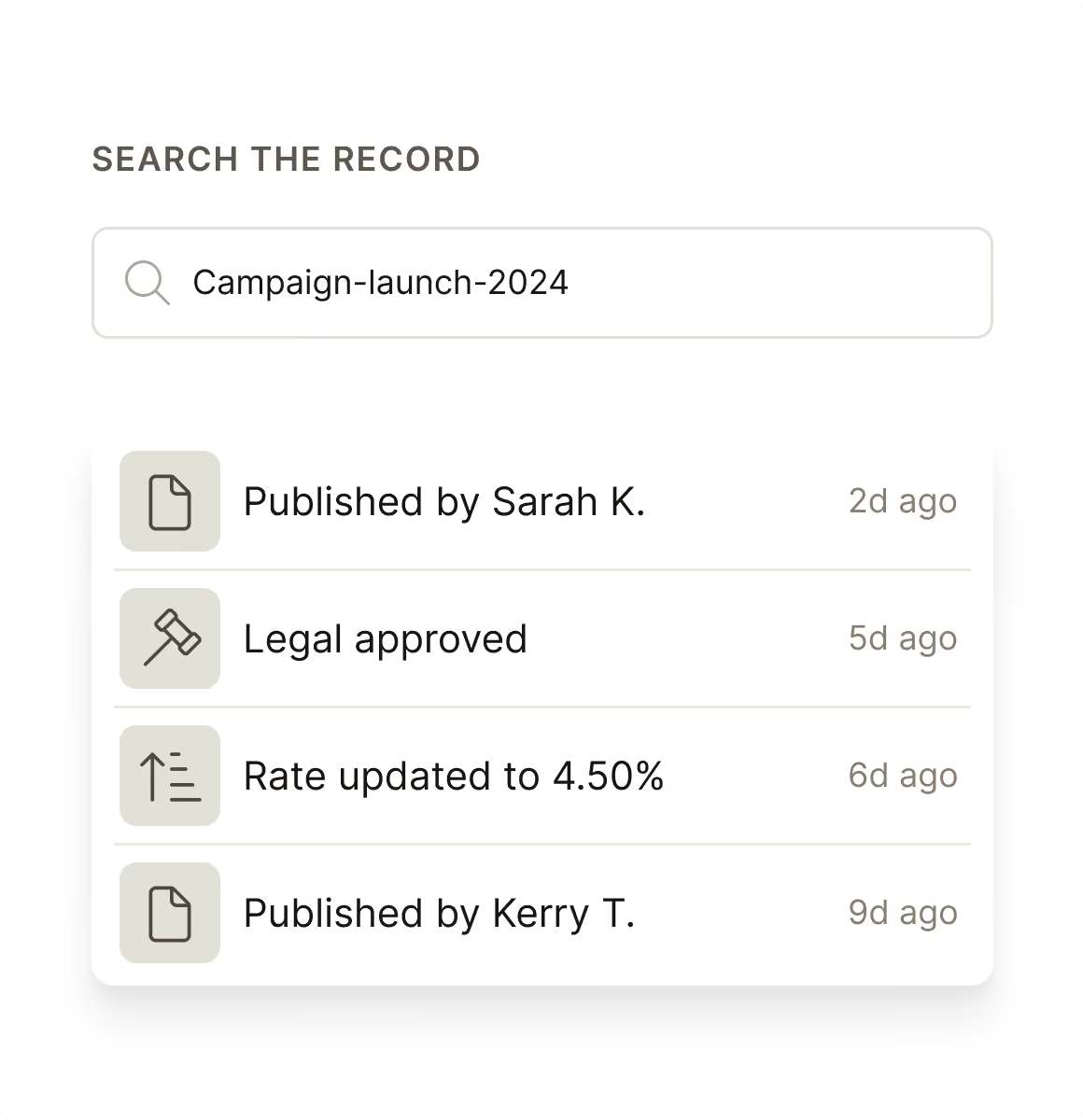
A record that
finds itself.
Every version, decision, and approval is on the record. When the examiner asks, you search it, not reconstruct it.
Your rules, your markets, ready from day one.
Blee ships with rule sets and policy frameworks for your firm. Your own guidelines and exceptions layer on top.
For banks & lenders
UDAP/UDAAP, Reg Z, and FTC advertising rules, applied in context. Plus Reg DD and FDIC advertising rules.
For broker-dealers, RIAs & wealth managers
FINRA 2210 and the SEC Marketing Rule, cited by the model that applies to each submitter. Plus Reg BI.
For credit unions
NCUA advertising rules and fair lending.
For fintechs & consumer lenders
CFPB/UDAAP, FTC, and state lending disclosures.
For every market
FCA (UK), ASIC, and the SPAM Act (AU), and local frameworks per region, triggered by the asset’s metadata.
Designations & credentials
Verified against BrokerCheck, CFP Verify and other sources.
Don't see your regulation or market here?
Just ask. It's either already covered, or we'll build it.
Evaluating vendors?
See how leading financial services teams modernize marketing compliance.

Works where you work
Submissions from Jira, Workfront, or your own portal. Feedback inside Google Docs and Figma. Monitoring across your sites, your partners’, and social.

Why can’t we just use an LLM?
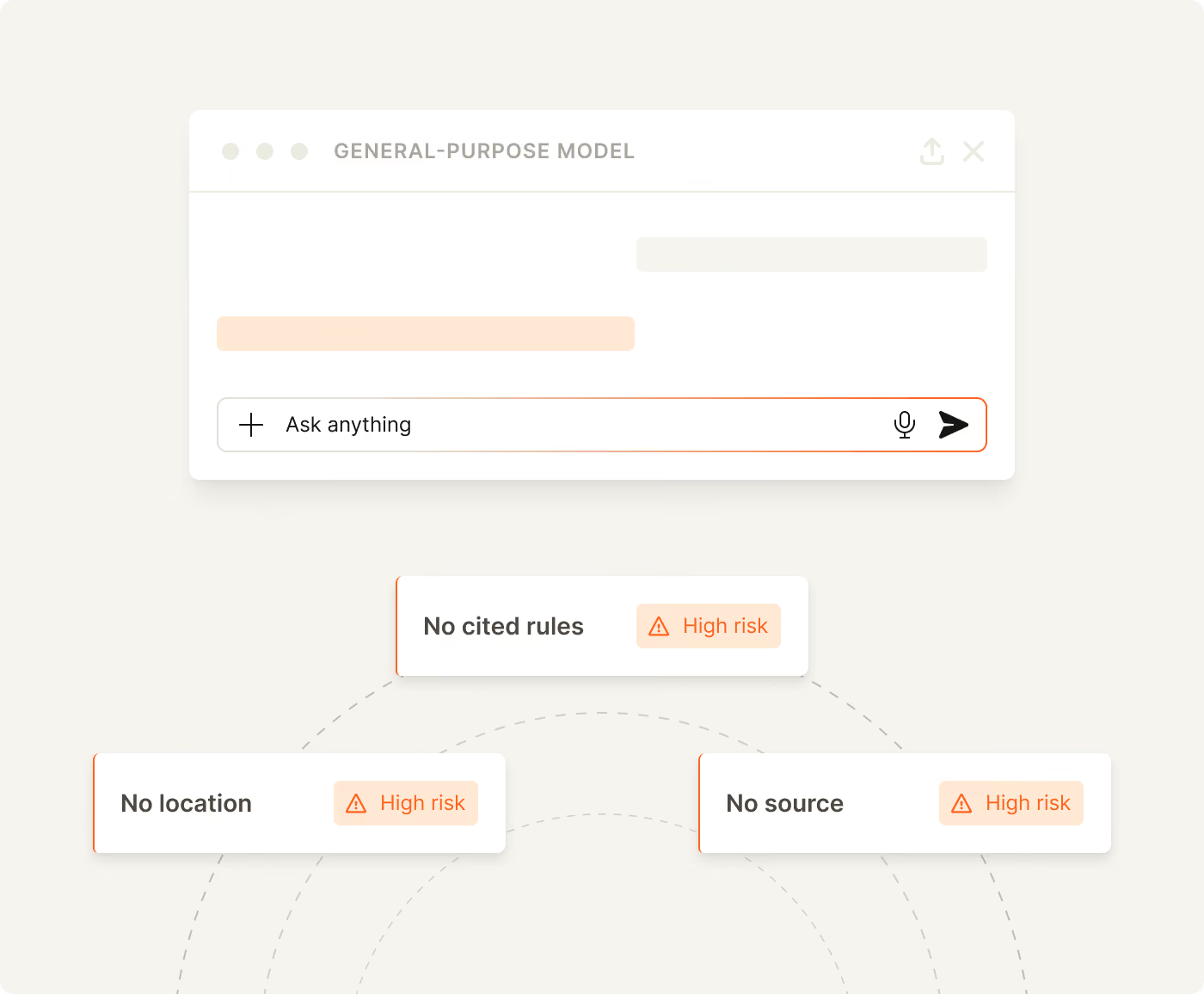
Out of the box, a general model gets you 50–60% accuracy. Blee reaches 85–95%, tuned to your rules and your risk posture.
This ad may contain misleading claims.
No rule cited. No location on the asset. No source to check against. You verify it yourself, every time.
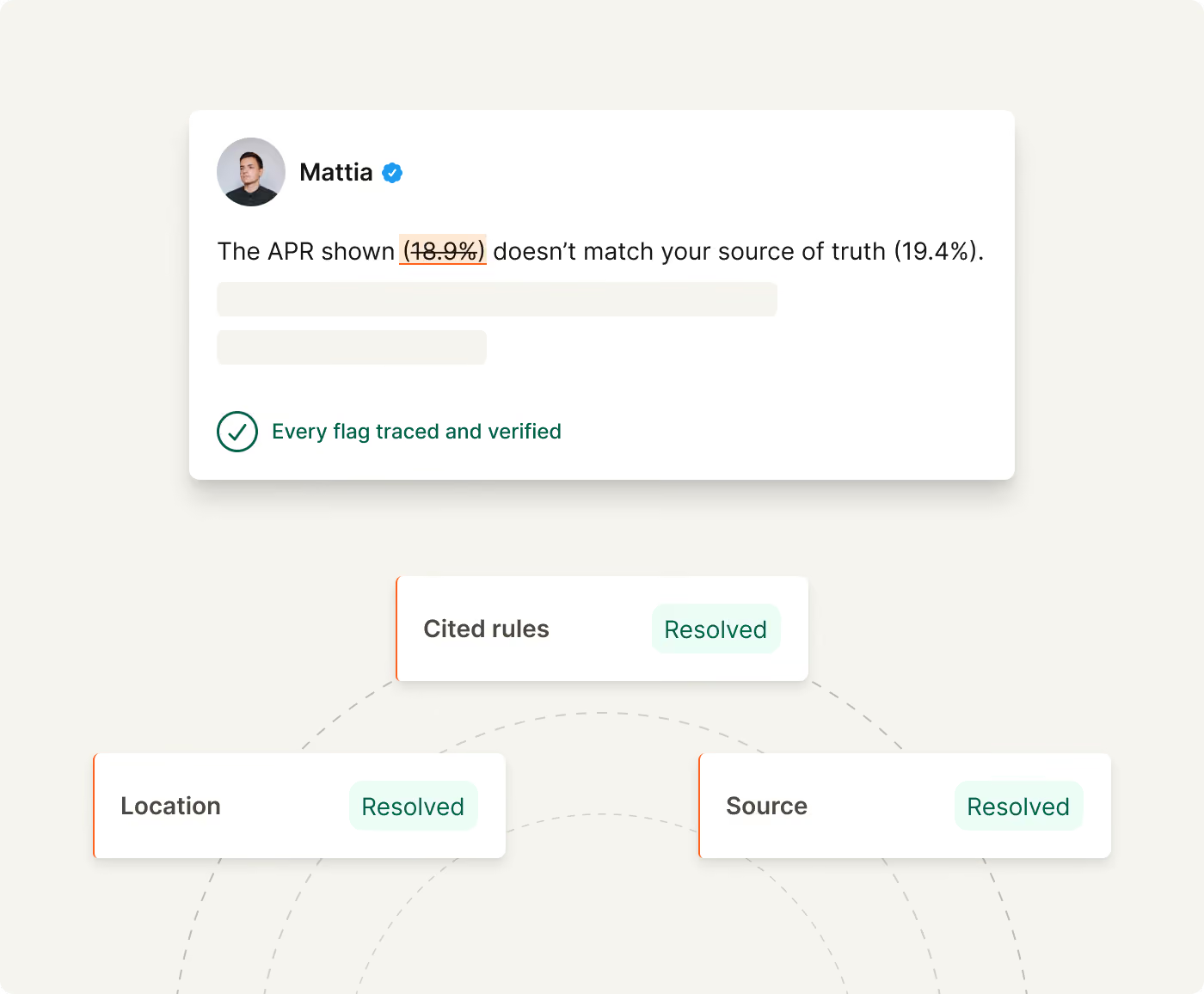
The APR shown (18.9%) doesn't match your source of truth (19.4%). Reg Z requires the disclosed rate to match.
Every flag traced to the rule behind it, located on the asset, checked against your source. Kept current as rules change.
Built for industry leaders
Manage your marketing content like the world's most trusted brands.



“Trust is at the core of Greenlight, and Blee helps us scale that trust responsibly in our marketing. Clear processes and guardrails allow our teams to deliver consistent, accurate, and useful messages to the families we serve.”


"With Blee as our compliance partner for marketing reviews, we’re able to share new programs fast—and stay true to the standards that matter."

"I find myself taking a second look at things that might have previously gone unflagged, thanks to Blee's comprehensive and meticulous approach. It’s like having an extra set of eyes that are always on the lookout, making the compliance process smoother and more efficient."


FAQ
Yes. Blee connects to proprietary portals through APIs and webhooks, alongside Jira, Workfront, and Asana. Your teams keep the intake they already know.
Blee typically reaches 85–95% flagging accuracy, against 50–60% for a general-purpose model. Every flag traces to a specific rule, and the model tunes to your firm’s risk posture from your team’s decisions.
Yes. Each partner, product, and market can carry its own rule set, disclosures, and guidelines, so one partner’s requirements never apply to another’s content.
Yes. Content monitoring scans your web pages, social channels, affiliate sites, and partner content continuously. When it finds an outdated claim, a missing disclosure, or a brand discrepancy, it flags the issue and notifies the person responsible—including in content that never went through formal review.